


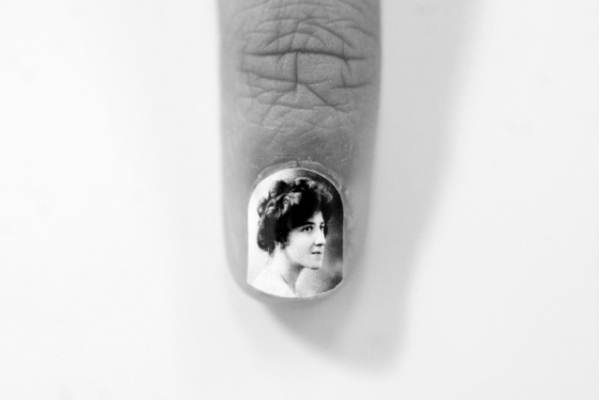
In this interview, C4AA research fellow Sarah J Halford talks with Phoebe Davies, a social practice artist based in London. In it, Davies discusses her work on constructing social spaces that provide an environment for productive, and often difficult, conversations about politics, sex, gender, and more. She also shares her thoughts on the importance of more collaboration and thoughtful reflection in and around art and activism.
Author Archives: Sarah J Halford
Owen Griffiths
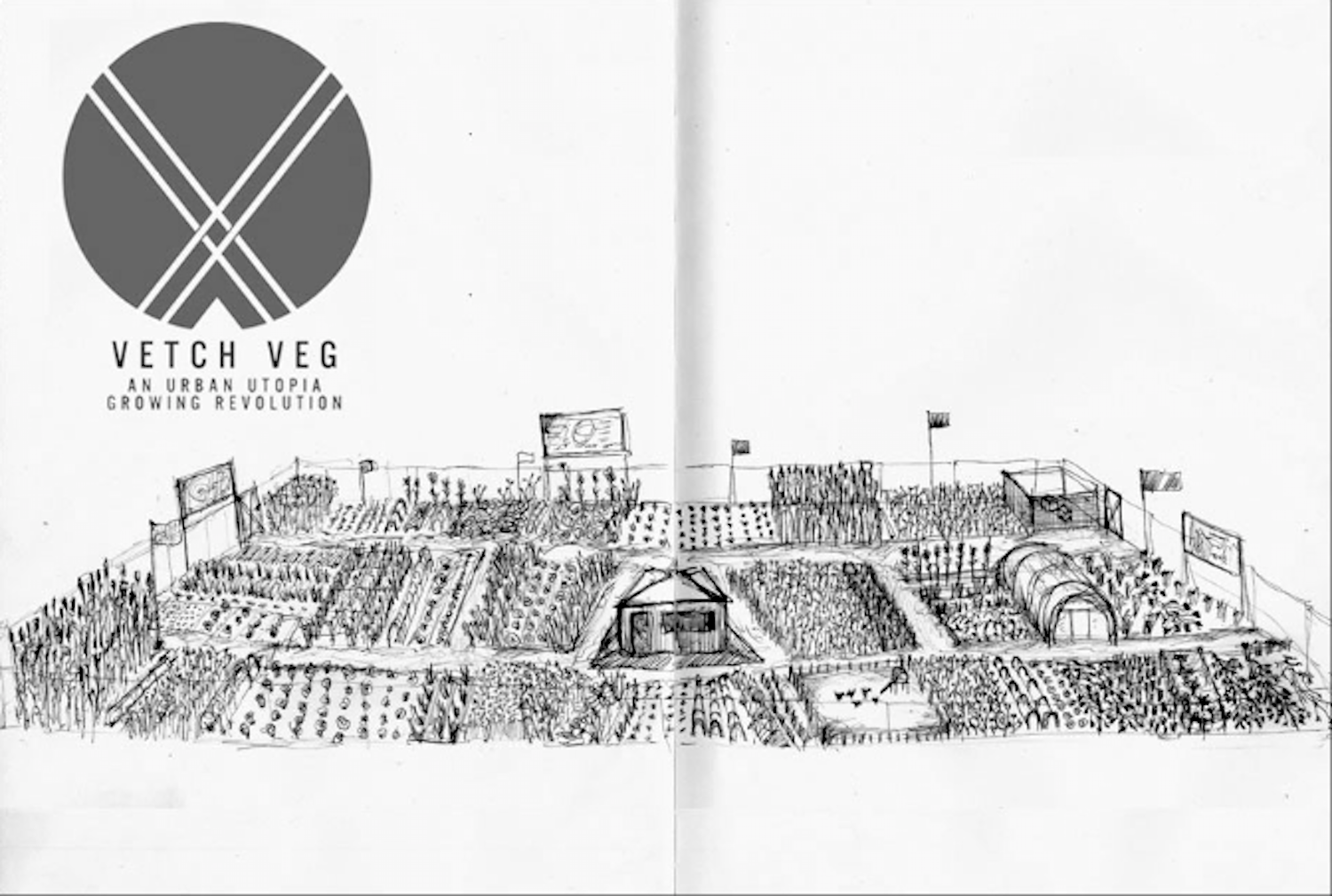
In this interview, C4AA research fellow Sarah J Halford talks with Owen Griffiths, a social practice artist based in Swansea, Wales in the UK. Griffiths shares his strategy for using art projects as tactics to enter into publicly-owned spaces. He collaborates with others to transform these spaces into beautiful and useful landscapes that are co-authored by people in the community. Ultimately, he argues that the art is used to beautify the space, create community buy-in, and keep the space in the hands of the people – rather than sold to a private corporation.
Ben Davis
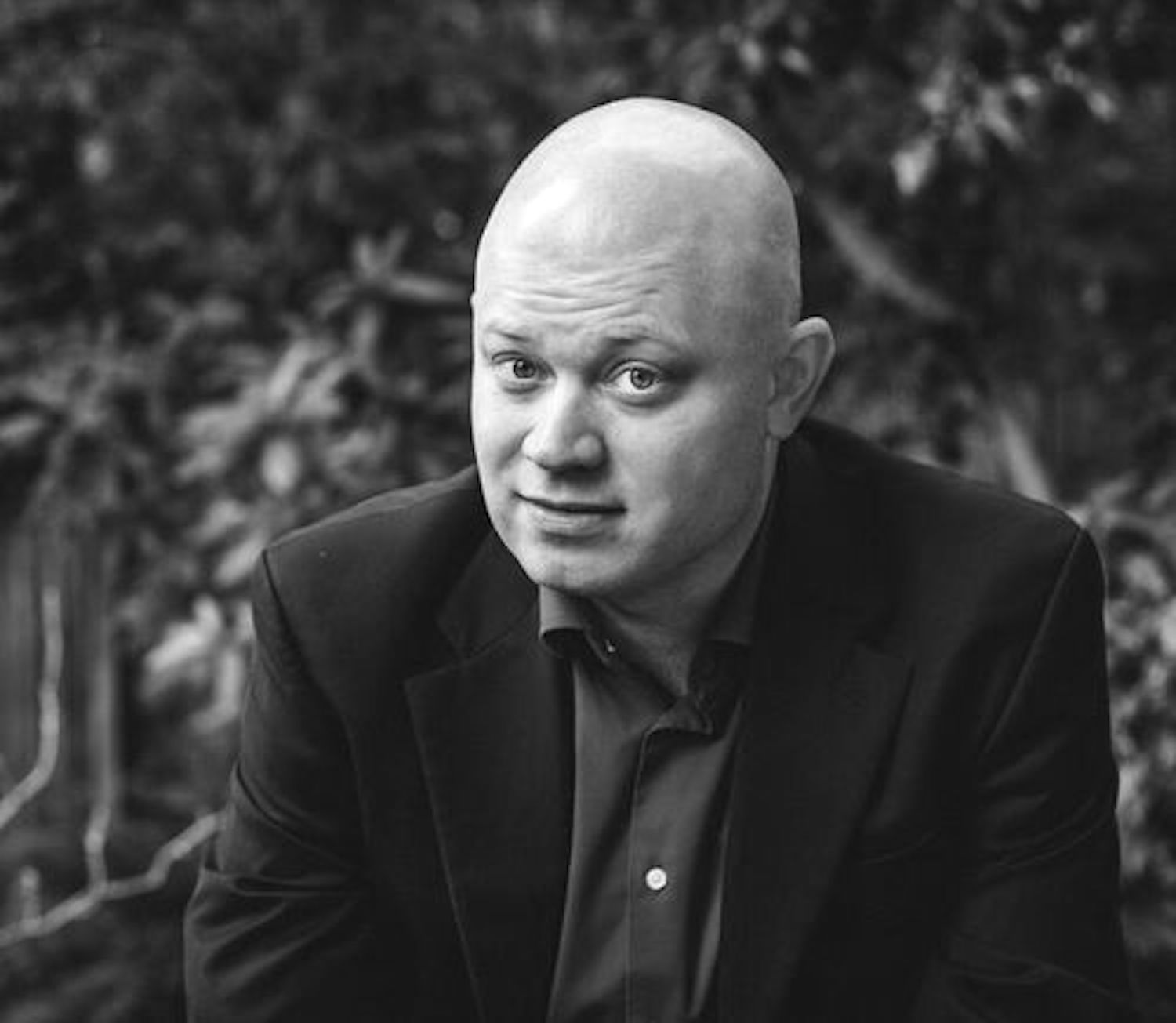
In this interview, Ben Davis, radical art critic and author of 9.5 Theses on Art and Class, talks with C4AA co-founder Stephen Duncombe about his “constructively critical” view of art’s role in activism. Davis discusses some of the trends he sees in contemporary political art and considers the realistic scope of art’s impact on change.
Pam Korza
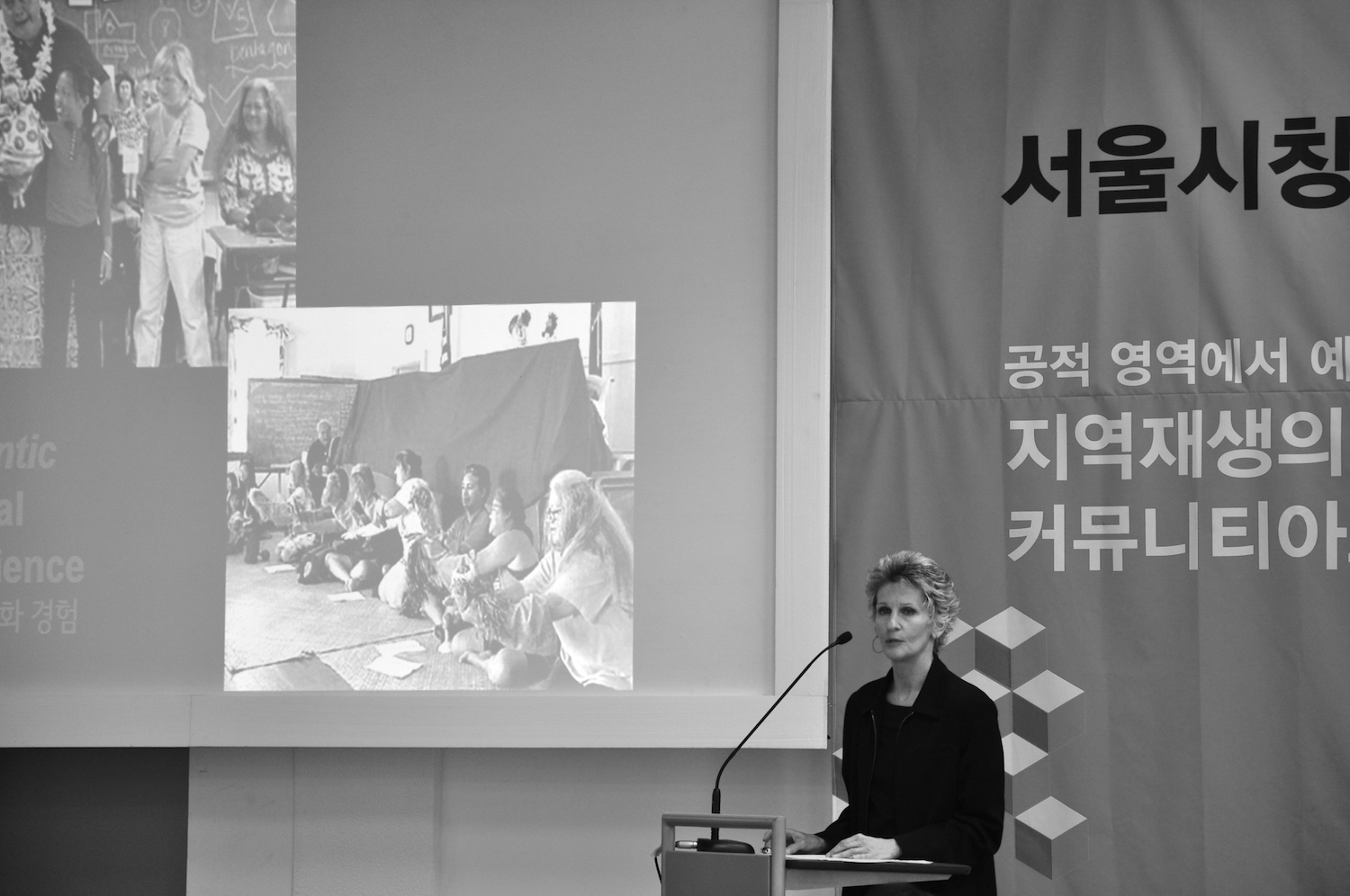
In this interview, C4AA co-director Steve Duncombe talks with Pam Korza about methods of evaluation in artistic activism. They consider the resistance that some artists have to quantitative evaluation, as well how we might evaluate the work from a perspective of aesthetic excellence. Korza also shares her extensive knowledge as co-director of Animating Democracy, an organization that fosters art for social change projects, and the six outcomes that she looks for when evaluating the success (or failure) of a project.
Marlène Ramírez-Cancio

In this interview, C4AA co-founder Steve Duncombe talks with Marlene Ramirez-Cancio, Associate Director of Arts and Media at the Hemispheric Institute. They discuss the elusive nature of evaluating artistic activism through qualitative frameworks. What is the vocabulary for doing so? And why is that vocabulary so difficult to find? Marlene shares her thoughts on these questions and challenges arts funders to become more comfortable with metrics that measure qualities beyond material successes.
Gan Golan
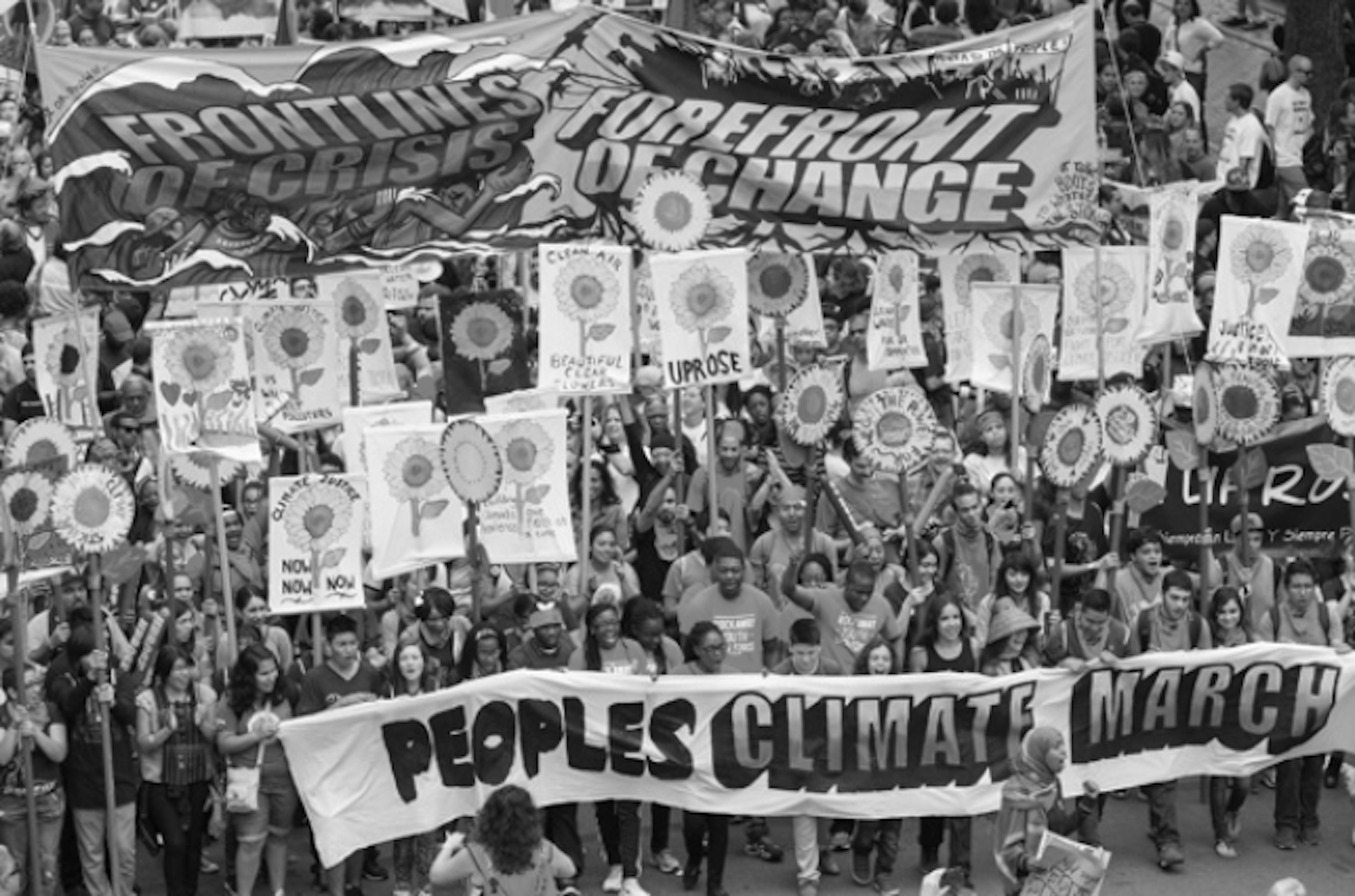
In this interview, George Perlov talks with Gan Golan, artistic activist and author of the bestselling children’s book parody “Goodnight Bush” and “The Adventures of Unemployed Man,” the critically-acclaimed graphic novel about the economic crisis. Golan discusses the importance of movement narratives and calls for artists and activists, alike, to figure out ways to measure what a movement means to the public.
Fernando Garcia-Dory
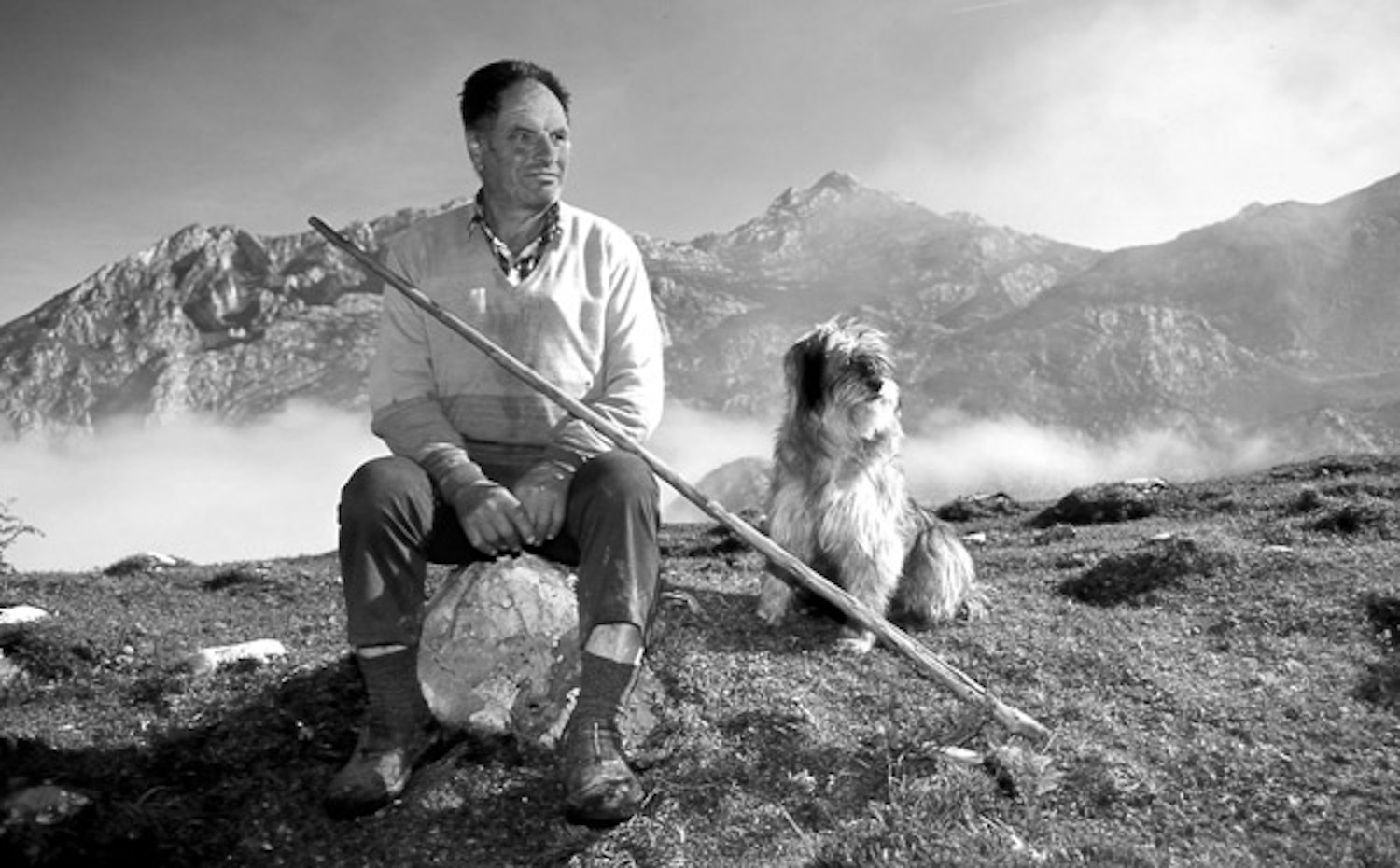
In this interview, Fernando Garcia-Dory talks with C4AA student fellow Emily Bellor about his practice of incorporating art into collaborative projects for social change. They discuss his work in cooperative farming as well as the tensions that can arise when the art world meets the activist world.
Favianna Rodriguez
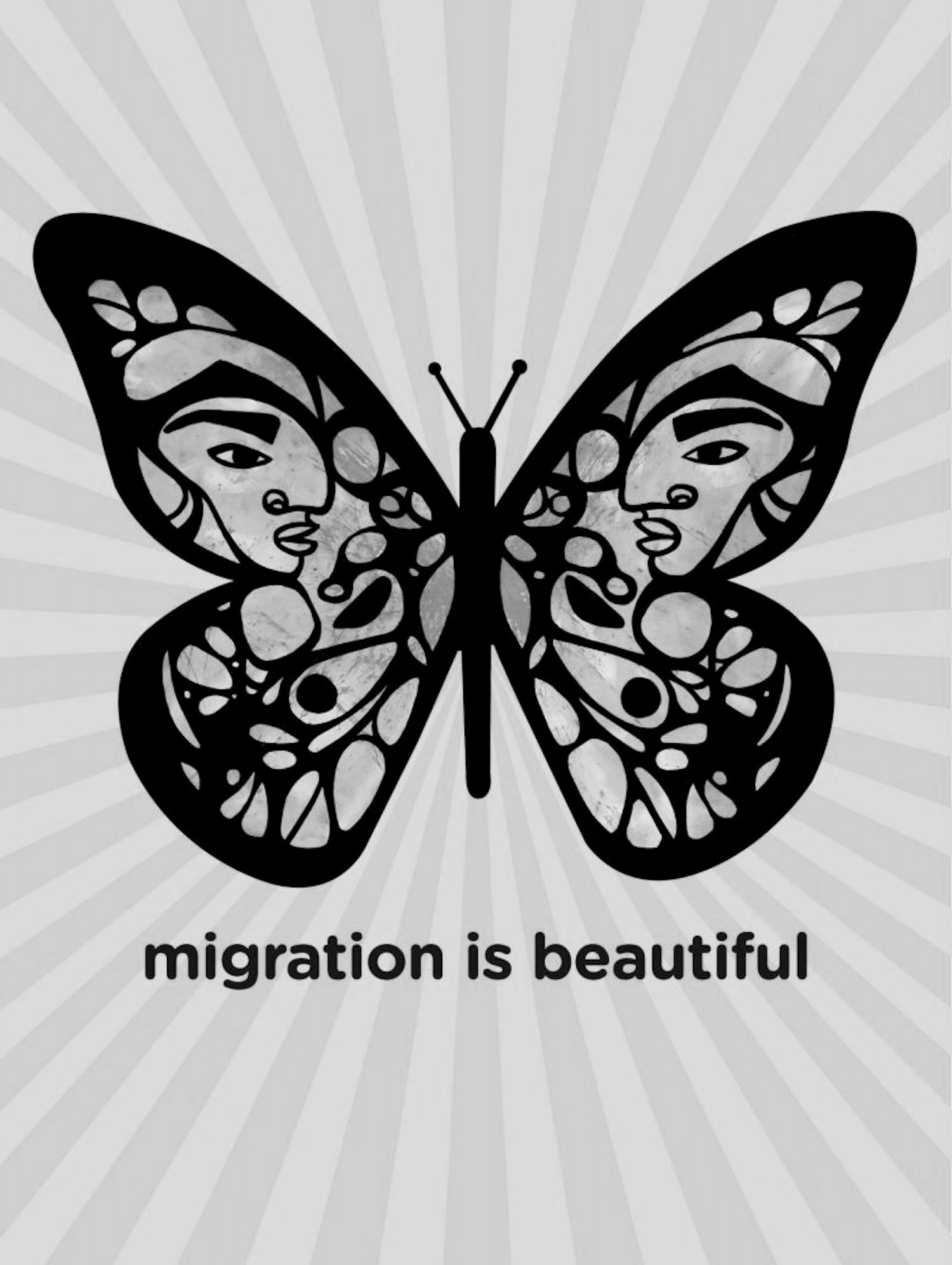
In this interview, C4AA co-founder Steve Duncombe talks with Favianna Rodriguez, prolific art activist and Executive Director of CultureStrike. She shares her creative process behind the “Migration is Beautiful” butterfly, an image that has been widely adopted as a symbol of the migrant rights movement. They also discuss Rodriguez’s theory of change, which involves a strategic focus on cultural change over policy change, as she argues that policy is “the final manifestation of an idea,” that stems directly from culture.
Jan Cohen-Cruz
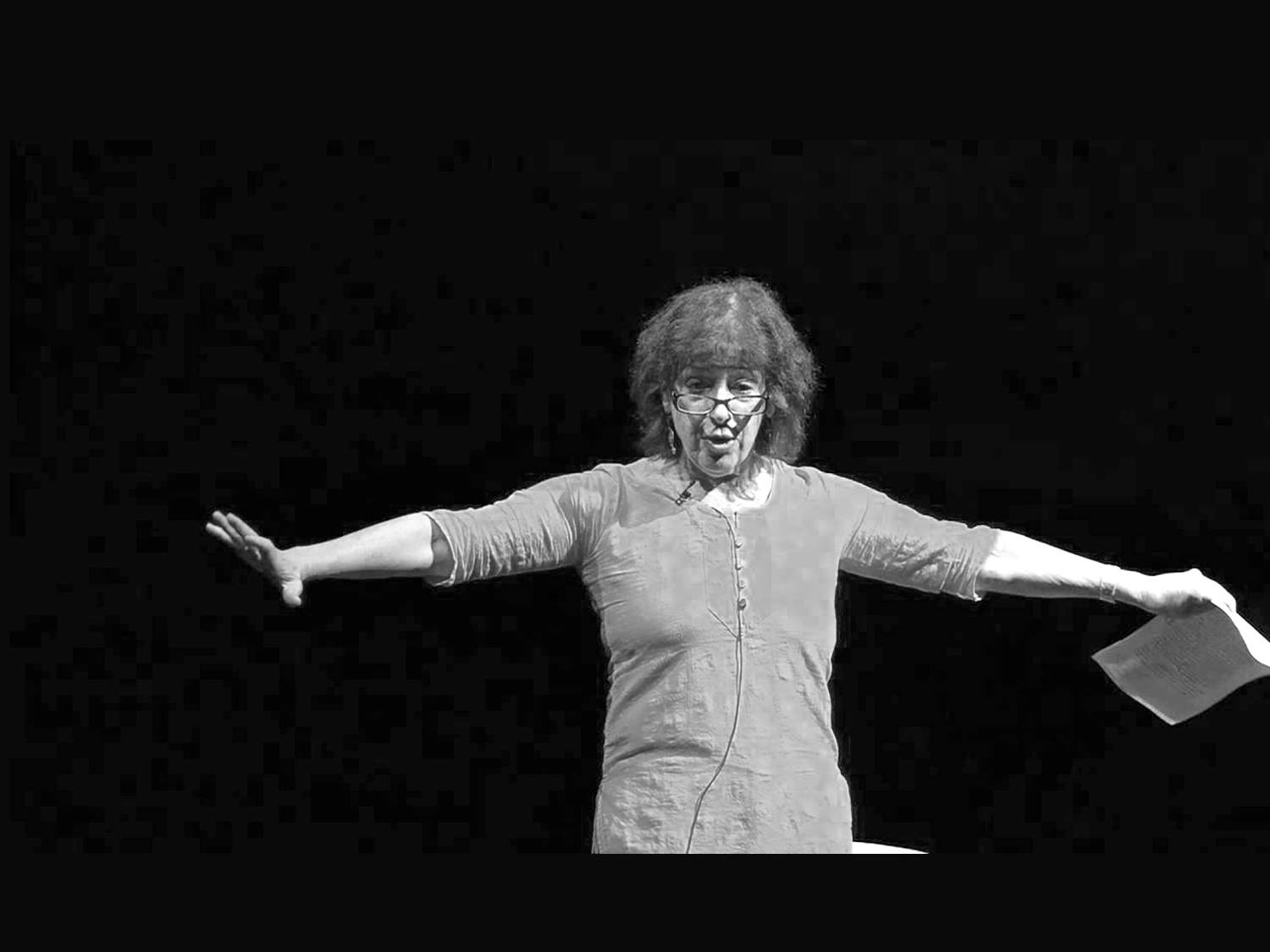
“t’s kind of a witnessing. It’s kind of an active witnessing where someone is giving you feedback. It’s dialogic as you go, and that to me is a lot of the value. There’s much to be said for dialogue in many contexts and I’d say that dialogue is a component of the way I do …
Elaine Forde
I think that the arts, in terms of social change, create an indirect way for people to be able to speak and express themselves. So, you can use theatre, spoken word, visual art, contemporary art, dance, movement, to relay your message, but you can also involve the people who need to relay their messages in …
Beatrice Glow
It’s a long wave. I think of everything as being interdependent or part of an ecosystem, philosophically and biologically. There are urgent moments of crisis where the waves are crashing on the land, which are the moments that activists quickly rise to. But then there’s the long waves, behind them, that are holding a space. …
Elliot Crown
Images operate the same way that memories do; images have this deep-seated attachment to your mind and I like to think that the images ingrain themselves into people…It really makes them want to stop for a minute and read the article. And hopefully it’s not a terribly biased article. And hopefully the image, in itself, …
Federico Hewson
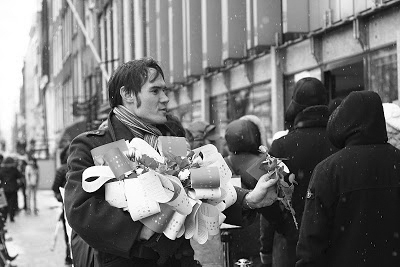
here’s socially engaged art, there’s socially engaged business, and there can also be socially engaged horticulture; flowers working for different social issues, whether that’s fundraising or awareness or development. Federico Hewson is a writer, curator, and activist currently based in Berlin, Germany. Hewson is the creator of the Valentine Peace Project and an advocate for …
FiNK
Visual appreciation for my art is wanted I suppose, but not totally necessary…Ideally, I want my audience to react in some way either positively or negatively to my art and either a smile or smirk will keep me happy as either way I have gotten an audience response to my art. I suppose the artivist …
Diana Arce
he change has to come from socialization. It’s the way that people are being taught to interact with other people. I don’t think it’s something that’s going to come quickly; I think it’s a generational issue. If we do enough right things now and teach these younger generations of people what’s up, get them on …
André Leipold
It’s not that we have a vision necessarily, but we try to poke holes in the scenery – a scenery which is built up by the politicians, by the media. They are playing theatre, too, with our lives and with our destinies. We are making a counter-theatre to go against theirs. So, by poking holes …
Joey Juschka
“ intention is to raise the topic, and on one side, be funny, and on the other side be really serious underneath; to find a way into people’s minds in a way that isn’t confrontational, because then most people would go, “Oh yeah? You want to confront me? You’re aggressive! Why should I stay and …
Ron Goldberg
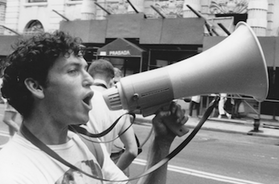
Ron Goldberg was a member of ACT UP from 1987-94. During that time, he served on the action committee and took up the role of “chant queen.” Inspired by his love of theatre, Goldberg helped to make ACT UP’s demonstrations the performative masterpieces that are still remembered, and emulated, today. Going back to the early …
Avram Finkelstein
“That’s the thing about history, you know, history is capital. The reason why I think the distinctions are worth knowing about is while communal responses, political responses, like ACT UP are incredibly valuable and noteworthy, there’s also power in the individual voice. It was six gay men, who had no idea that they were surrounded …