Takeaways from projects centering trans liberation
How can our movement win by centering trans liberation?
This spring, the Transgender Law Center and its Trans Agenda for Liberation, in collaboration with the Center for Artistic Activism, supported seven trans-led organizations in testing bold answers to this question in this highly challenging moment.
Each organization was given $5,000 in direct funding to realize a project idea quickly – all in just five weeks. The results: amazing momentum, surprising insights, and a ton of hope for the future.
About the Projects
The projects realized were all experiments that offered ambitious, innovative ideas to achieve one or more of the following:
Mobilize existing communities
How do we motivate trans people and their loved ones to mobilize for the midterms?
Expand into new communities
How do we grow our already intergenerational, multiracial, interfaith, global movement?
Win with trans liberation
How do we show we win by centering trans and queer people and stories?
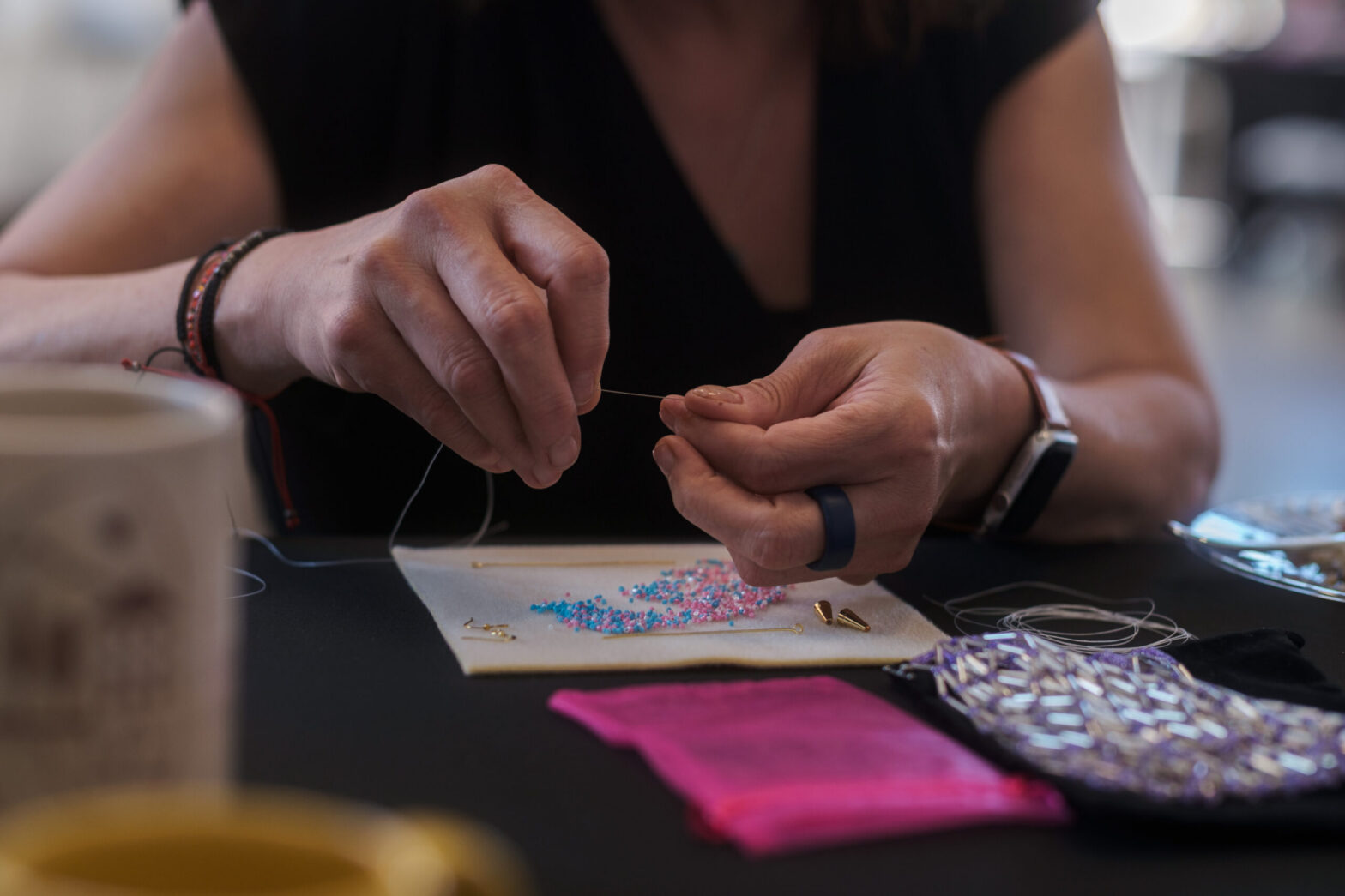
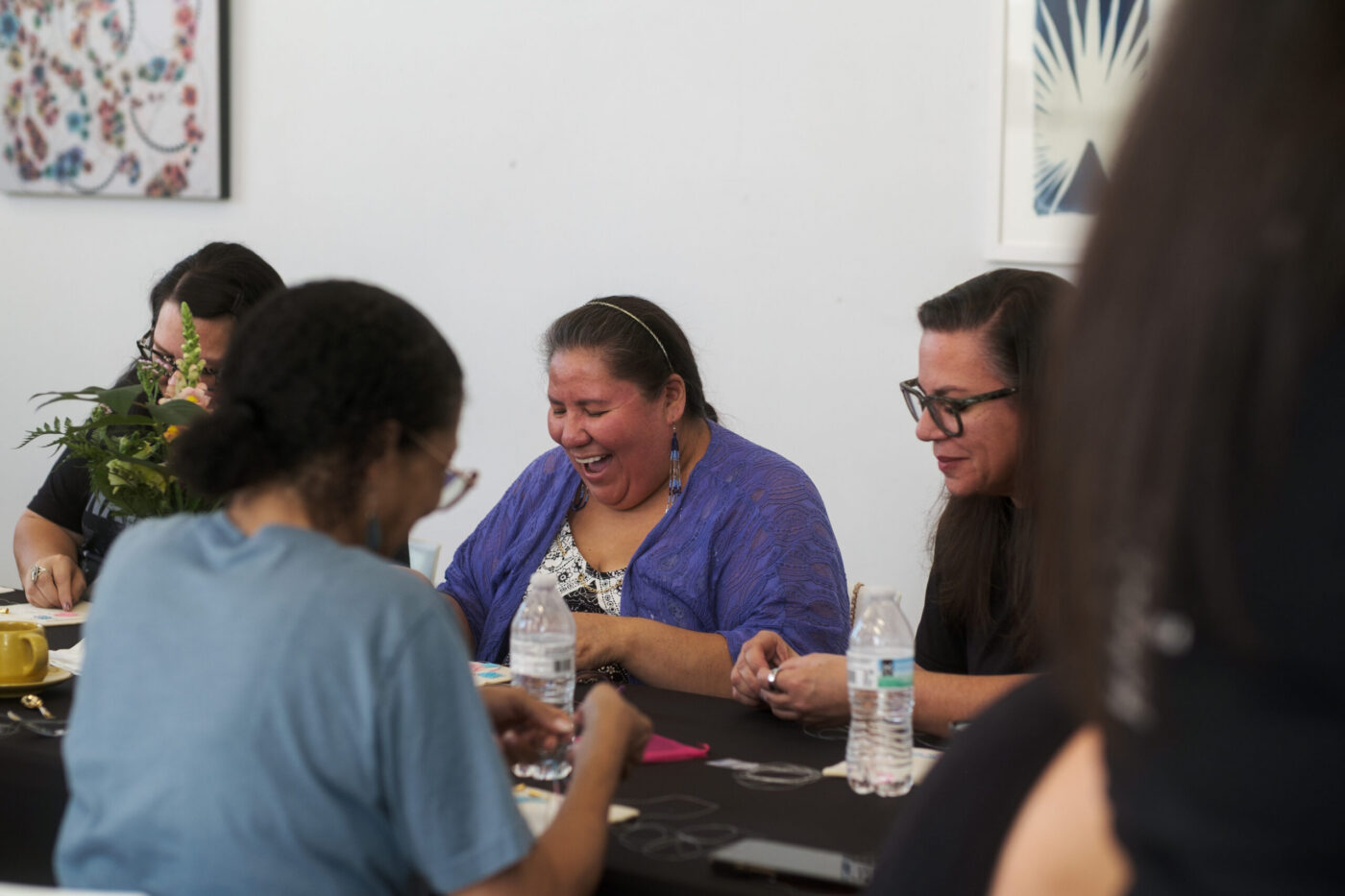
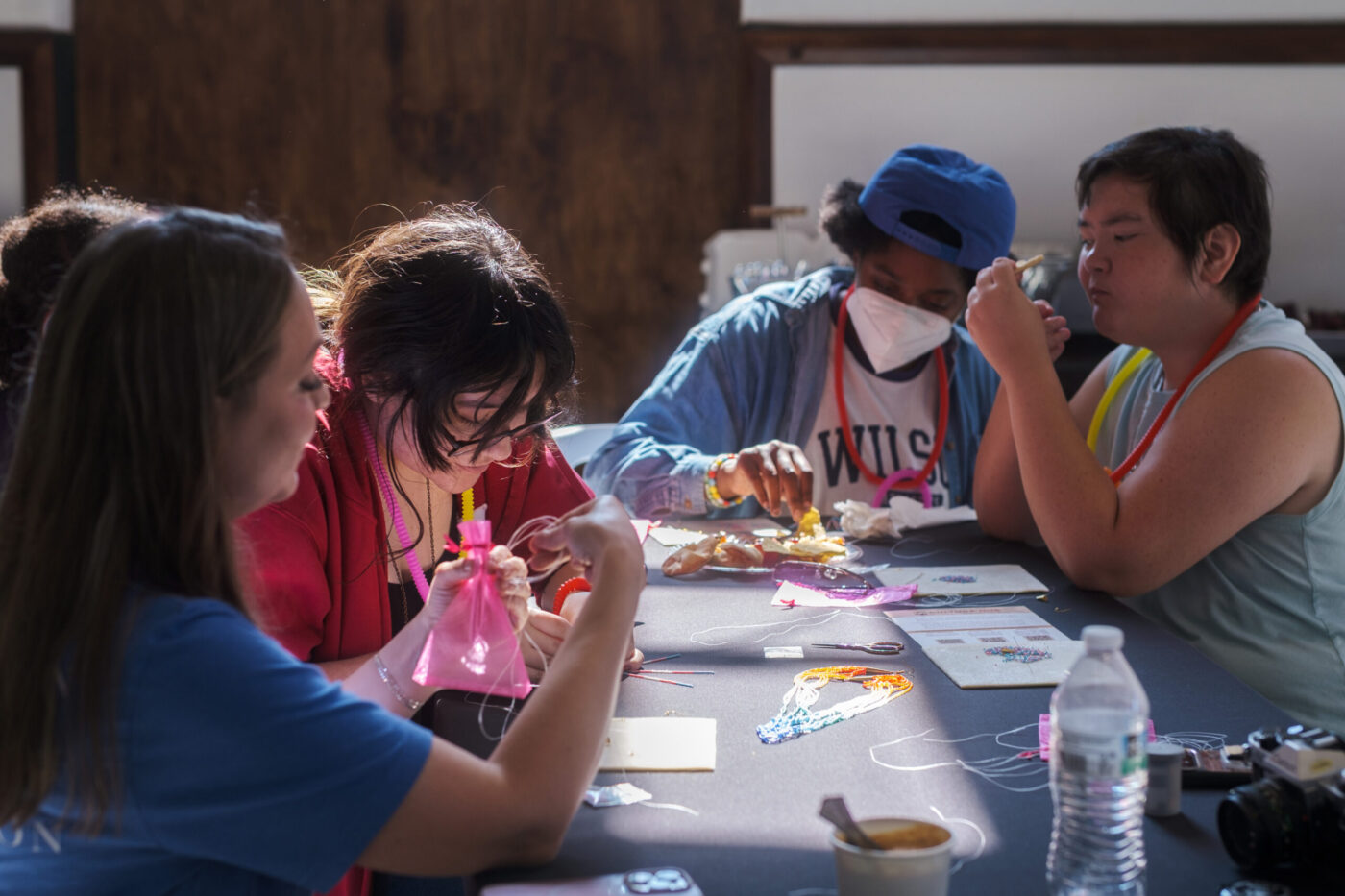
Freedom Oklahoma partnered with Indigenous community organizations to host a Bead and Tea event at a local community hub in Oklahoma City. Participants were guided in the Indigenous beading practice of making earrings and led in a discussion about Two Spirit and trans+ liberation. The event drew dozens of engaged community members and has led to more community events with the same craftivism focus.
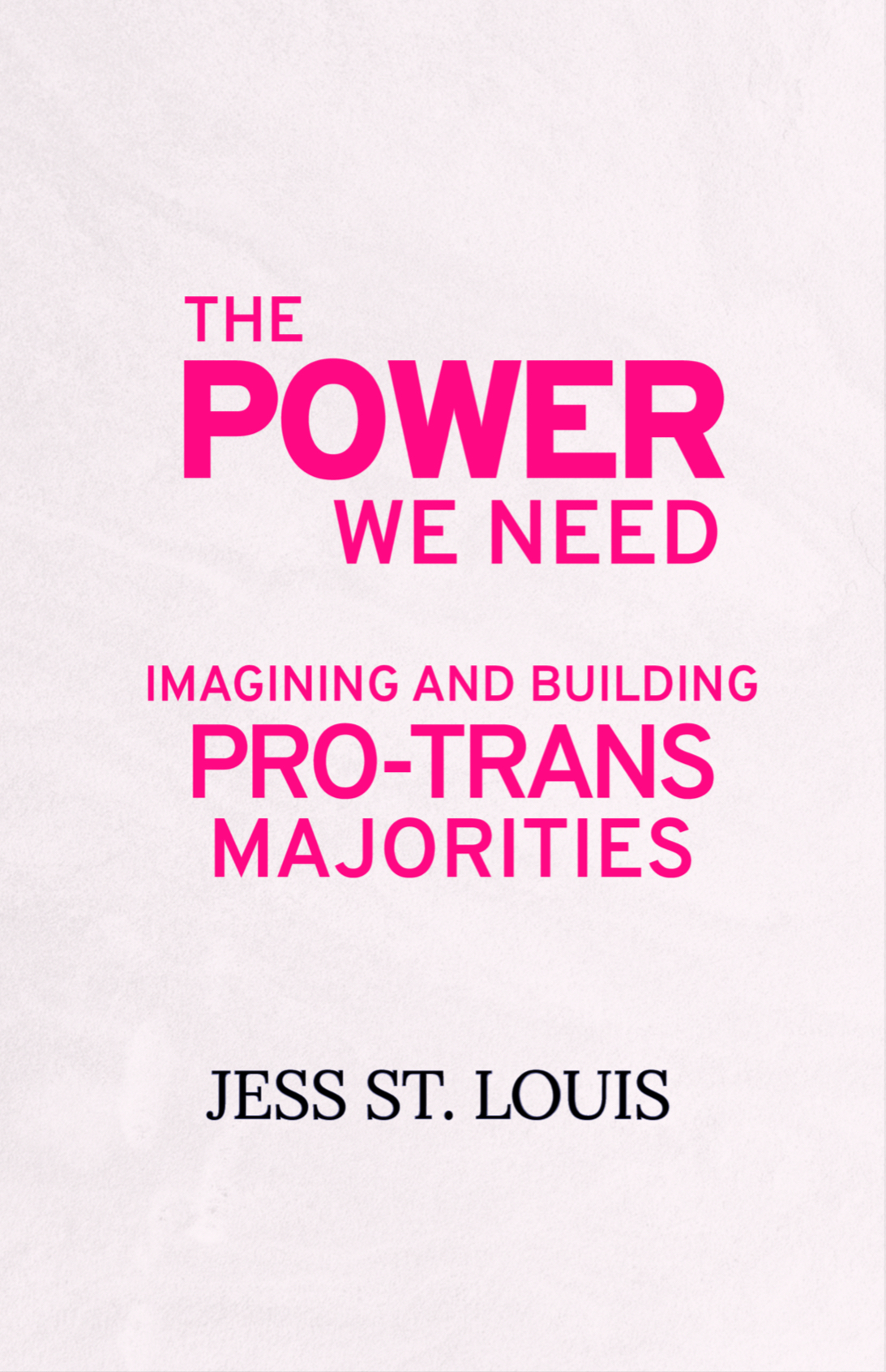
Jess St. Louis, working with Convergence Magazine, published two essays and a printed booklet: The Power We Need: Imagining and Building Pro-Trans Majorities. They also hosted a free online workshop attended by dozens of allies in trans liberation from across the US that focused on how they could build pro-trans majorities in their intersectional work. The online and printed material has reached thousands and were reposted by Non-Profit Quarterly for even greater reach.
Loving Beyond Understanding hosted a People’s Pride Queer Solidarity Block Party in a high-traffic area in Grand Junction, Colorado, to create a space for trans joy and call attention to anti-trans measures that are on local ballots this fall. Over 400 people attended, over 100 registered to vote on-site, and the event sparked Seasons of Solidarity, a new monthly series of welcoming public events.
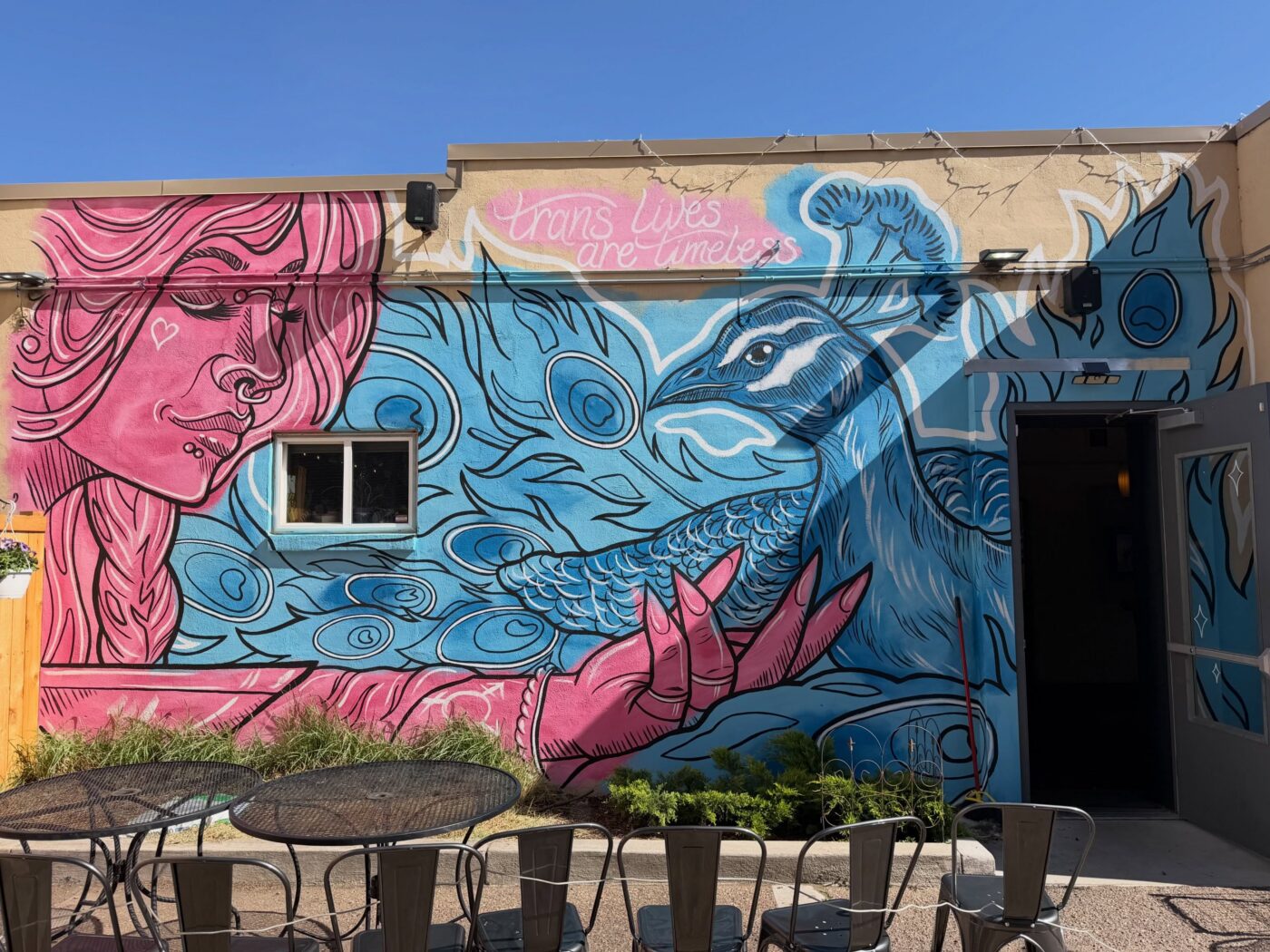
Rocky Mountain Equality partnered with the Fort Collins Mural Project and commissioned a trans artist to paint a pro-trans rights mural in Fort Collins, Colorado, through Mural for Morals. They held an unveiling event focused on defeating Colorado’s anti-trans ballot measures, which led to pledges to vote against the measure and to tell others about them. The mural’s permanence gives the project lasting value and impact in the community.
Southwest Washington Equity Coalition launched its first-ever youth organizing program, built around Play, Vote, Trivia, a drag trivia event in Vancouver, WA. The team connected with young people across multiple high schools and a community college, reaching about 100 youth.
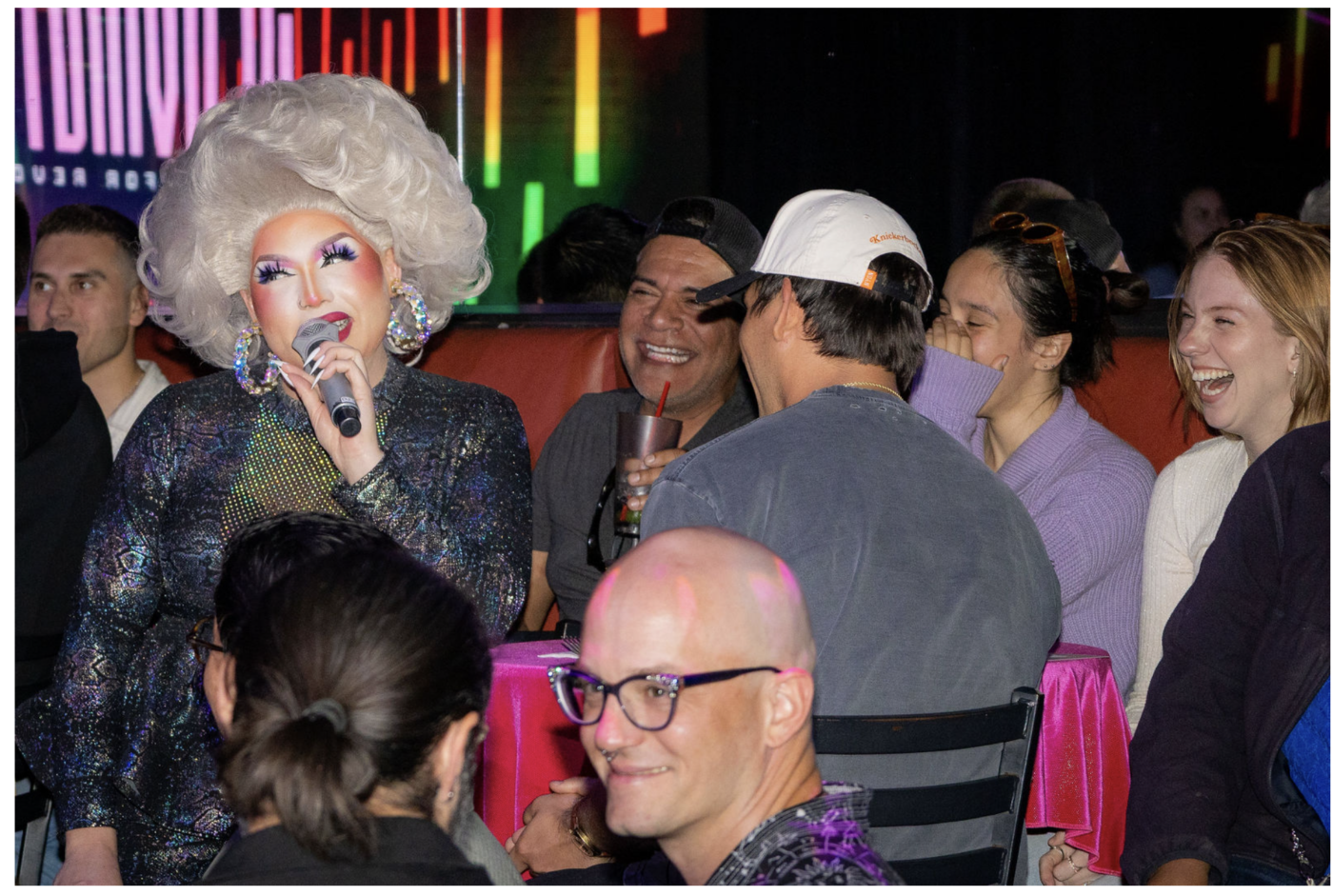
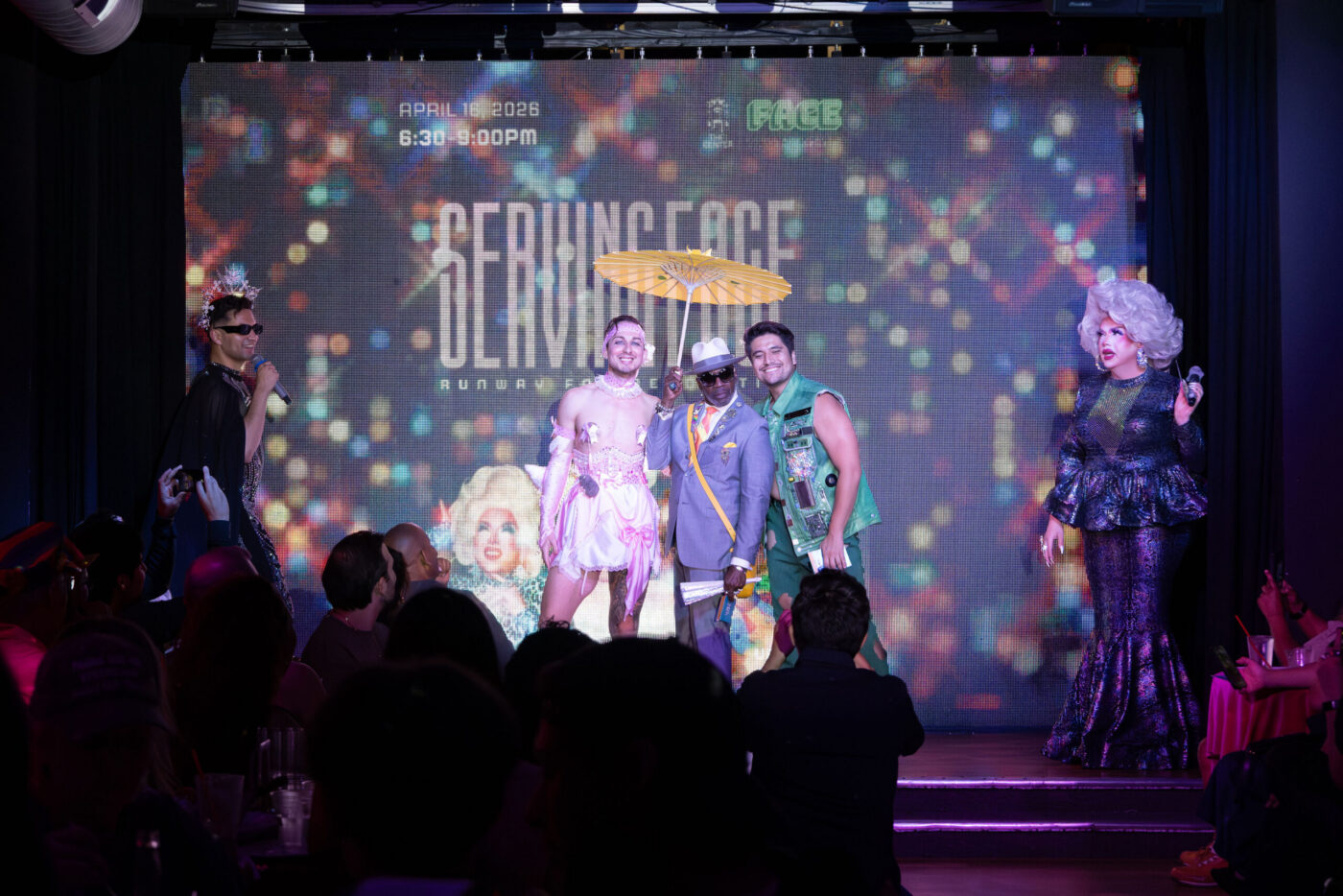
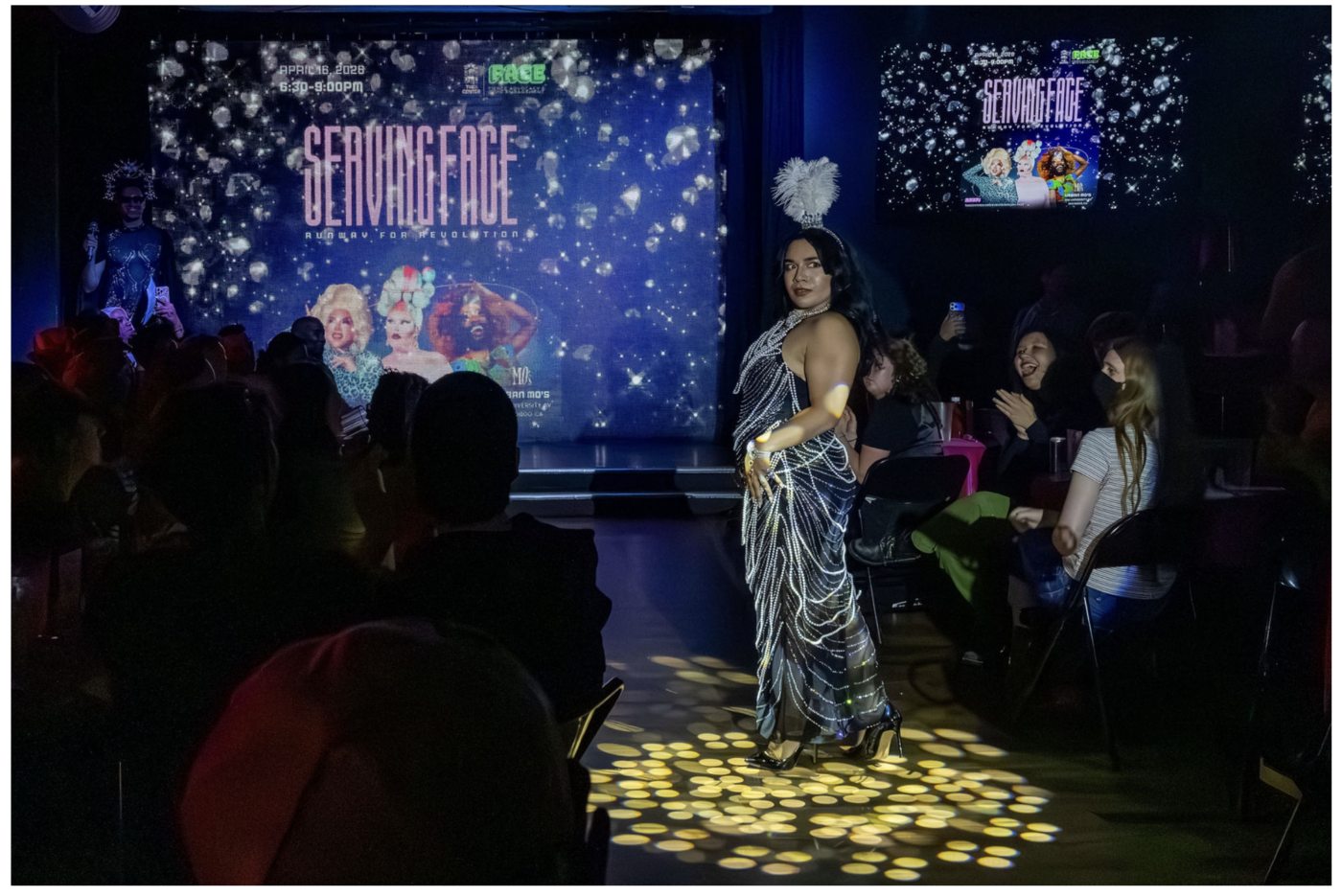
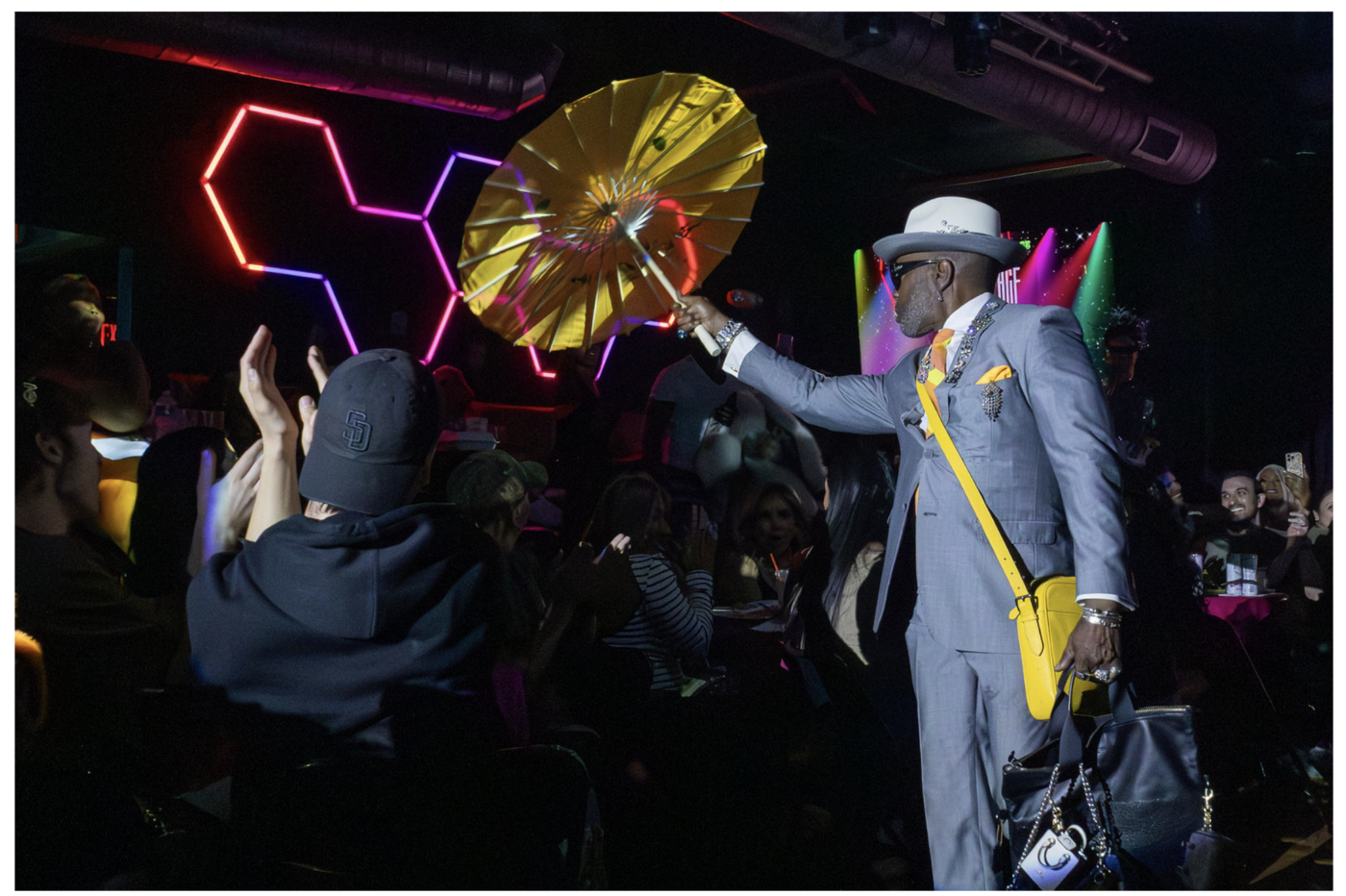
The San Diego LGBT Community Center hosted Serving FACE: A Runway for Revolution, a fashion show with three politically charged categories: “Eat the Rich,” “AI Apocalypse,” and “We Shall Over-Accessorize.” With a sold-out venue, free food, and free admission, the FACE team collected voter pledges, petition signatures, and newsletter sign-ups, greatly expanding its civic engagement community. The event’s success means more Serving FACE events are scheduled for this year, to continue to turn out voters for the midterm elections.
The Transgender Education Network of Texas promoted its very popular Trans-gressive: A Trans Texas Survival Guide to more communities in the state. Through its Community Beyond Algorithms experiment, it conducted analog outreach in the form of paper flyers, stickers, and QR codes at coffee shops and queer-owned businesses in three Texas cities.
Key Takeaways
Across all seven experiments, three major findings emerged around event planning and implementation, and around resourcing trans efforts.
Lead surprising, joyous, accessible events that provide tangible value to the people you’re trying to reach.
“Trust that joy is a strategy. You don’t have to choose between a good time and a serious political ask. When people feel celebrated and seen, they are far more open to taking action.” – Jacob Duarte, The San Diego LGBT Community Center
Think outside the box to create experiences people actually want to attend. Consider how people will really be engaged and offer multiple, positive ways for them to participate. This doesn’t mean ignoring the context of how bad things are; rather, the project teams found that leading with joy, while connecting to greater context of why the work is important, led to the most success.
A great way to engage was to provide something of real value. Experiments found success in offering everything from direct financial value like a cash prize, feelings of joy and possibility, connection to community, and specific help for trans people (e.g., voting information that helps overcome the specific challenges of voting while trans).
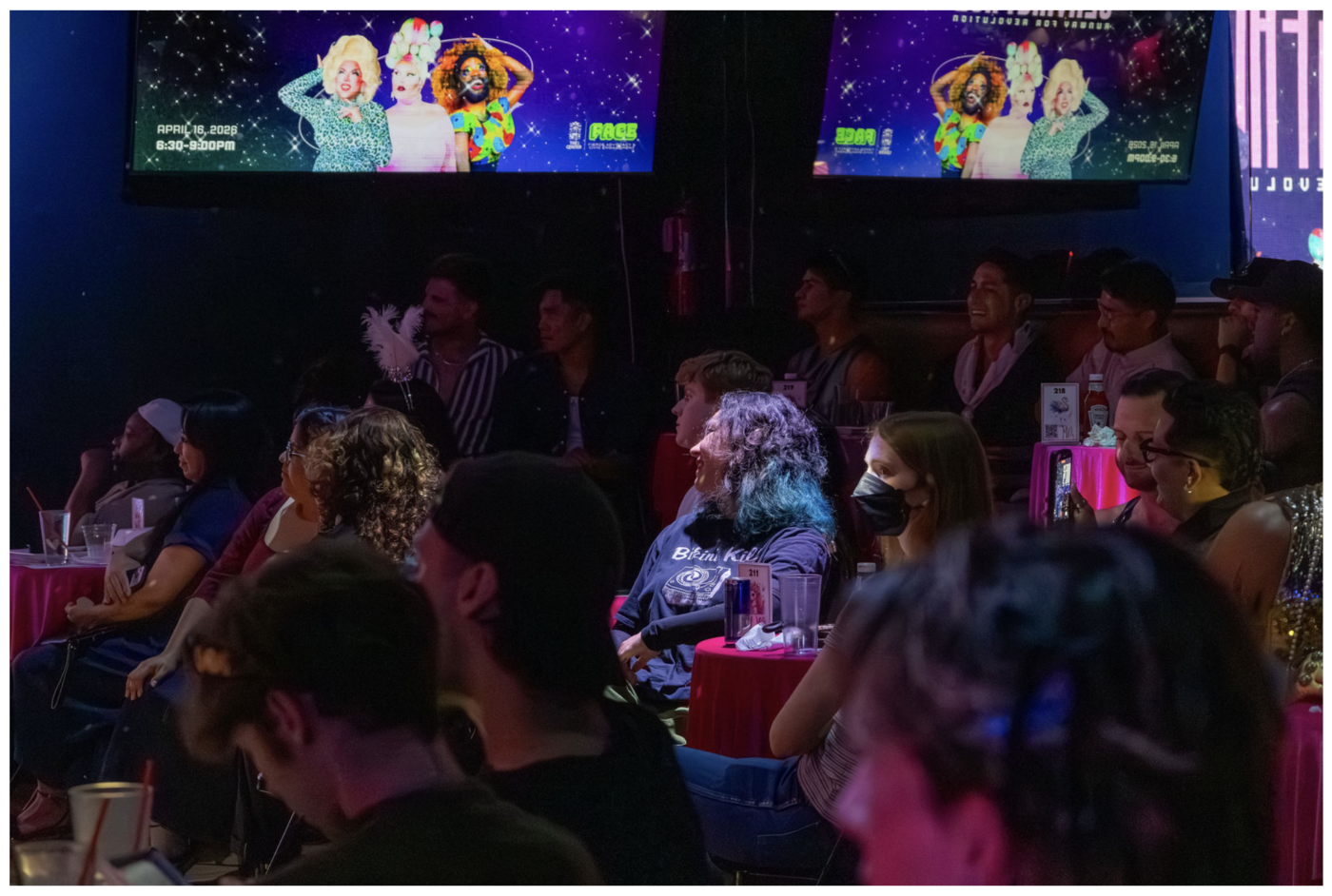
Experiments were most successful when they went in person to where their audience was, instead of asking people to come to them. This and other accessibility efforts made a big difference, including offering free admission, providing food, and having a plethora of no-cost resources available.
Be exceptionally clear on what you want to achieve, and bring in partners new and old to help you.
“Partnerships are everything. My partnership had high-level strategic alignment and trust to engage with the project and move it forward quickly.” – Jess St. Louis
Projects realized the most success when they centered specific desired outcomes from the start. When objectives are clear from the beginning, it’s easier to make decisions along the way: to say yes to the things that will help you get there and no to the things that won’t.
Clear outcomes also make it easier to find the right partners, and the right partners made every experiment possible. Some teams worked with partners they already knew. Others found support from unexpected places including a mural nonprofit, niche media teams, and parents of LGBTQ+ youth. In a political moment where some groups have pulled back from visible support, new and unexpected allies stepped forward. Organizers found value in thinking bigger about who and what a partner could be.
Also know that community brings community. Outreach doesn’t have to mean starting from scratch. When existing supporters showed up, they brought friends and family, extending projects’ reach.
Give trans groups resources and let them run!
“I appreciate approaching community organizing with an experimental lens. It makes me wonder how much quicker and more thoroughly we can win when we try, fail, learn, and shift with our understandings.” – Ash Neufeldt, Rocky Mountain Equality
When trans-led organizations got resources and dedicated funding with explicit permission to try things, fail, and learn, they made a big impact in their communities and they learned a lot themselves.
Quick experimentation built confidence and got teams moving on ideas instead of deliberating. A tight timeline helped overcome perfectionism, and when failure was welcomed from the start, it opened up flexibility and new learning that wouldn’t happen otherwise. It doesn’t have to be about inventing something entirely new; instead, it’s about adapting existing tools and skills to the current moment, with the support of others and commitment to find what really works now and why.
This process can help find programs that really work, too. For example, The San Diego LGBT Community Center’s event is being re-run, Rocky Mountain Equality’s mural is permanent, Jess St. Louis’s zine continues to circulate, and Loving Beyond Understanding’s block party became a monthly series.
Methods
Play to Win followed a 5x5x5 model: 5 projects are given $5000 each and 5 weeks to experiment. (Ultimately, seven projects were selected instead of five for this program, due to seven highly-compelling project ideas being submitted.) Trans-led organizations across the United States applied with a project idea, pitched it live, and once selected, received mentorship before launching their experiments.
The program was designed to learn as much from the process as from the results. Each organization completed pre- and post-program surveys, shared weekly reflections through a group chat, and submitted a written final report covering what happened, what they learned, and how they plan to carry the work forward. The Center for Artistic Activism also conducted follow-up interviews with each organization to go deeper on key findings.
The Case for Experimentation
The Center for Artistic Activism has always focused on research and experimentation. We test ideas to see what really works in the moment and context in which we’re working. The complexities and challenges we’re currently facing means that we’re experimenting more than ever.
For the past two years, we’ve run significant experimentation programs with key partners across the United States. Last year, in the wake of the disaster of the 2024 elections, we partnered with progressive organizations to find new ways forward through our Field Tests program.
One of the main takeaways from the experiments was just how important experimenting is in this moment.
“Experimentation lets us ask not just, ‘Did it work?’ but also, ‘What did we learn?’ It gives permission to take risks, fail fast, and adapt creatively (something our opposition has done for years). As one of our partners said, ‘It’s only in trying new things that you can figure out what works – and what doesn’t.'”

Looking for more takes on the importance of innovation?
A corporate perspective (whose takeaways we can certainly apply to our own work)
“If testing is so valuable, why don’t companies do it more? After examining this question for several years, I can tell you that the central reason is culture. As companies try to scale up their online experimentation capacity, they often find that the obstacles are not tools and technology but shared behaviors, beliefs, and values. For every experiment that succeeds, nearly 10 don’t—and in the eyes of many organizations that emphasize efficiency, predictability, and “winning,” those failures are wasteful.
“To successfully innovate, companies need to make experimentation an integral part of everyday life—even when budgets are tight. That means creating an environment where employees’ curiosity is nurtured, data trumps opinion, anyone (not just people in R&D) can conduct or commission a test, all experiments are done ethically, and managers embrace a new model of leadership.” Read more here.
A human rights perspective (that reclaims innovation from the private sector)
“There is near-consensus among human rights practitioners that the field faces, if not a crisis, a daunting array of complex challenges. For the majority of the world that lacks significant economic and political power, there is an urgent need to diversify our tools and increase our capacity to innovate as quickly as the powerful do. To meet this need, some human rights advocates have embraced design thinking and the innovation lab model as a way to shake free of old patterns and identify promising, if sometimes crazy, ideas.” Read more here.
Conclusions
Gracious. Liberating. Serendipitous. Playful.
When asked to describe their Play to Win experience in one word, those were some of the participants’ responses. This program helped show what’s possible when trans-led organizations are resourced, trusted, and given room to experiment. Participants and the greater trans organizing community are hungry for more opportunities like Play to Win.